Pinterest Funnel Comparison for a Raised-Bed Garden Planner
Compare four ways to monetize Pinterest traffic as a garden planner: direct sales, email freebies, affiliate guides, and seasonal workshops.
Pinterest traffic is often treated like one big bucket: make pins, get clicks, hope people buy.
For a raised-bed garden planner, that is too loose.
Someone searching “4x8 raised bed layout printable” is in a very different buying moment than someone searching “beginner vegetable garden ideas.” One may be ready for a $19 PDF today. The other may need a simple planner, three helpful emails, and proof that your planting advice works in their climate.
This guide compares four practical Pinterest funnel options for a creator or small business selling garden planning resources: direct digital product sales, lead magnets, affiliate guides, and seasonal workshops. The goal is not to choose the fanciest funnel. It is to match the landing page to the search intent.
The monetization choice most garden creators skip
Before you design more pins, decide what job each click should do.
A raised-bed garden business might have several offers:
- A $12 companion planting chart
- A $19 raised-bed layout pack
- A $49 seasonal garden planner
- Affiliate links for soil, trellises, seed-starting trays, irrigation kits, and tools
- A $97 fall garden workshop
- A $300 garden planning consult
Pinterest can support all of these, but not from the same pin angle.
A pin titled “Beginner Raised Bed Garden Layout for a Small Yard” should probably not drop visitors onto a dense product grid. A pin titled “Printable 4x8 Raised Bed Garden Plan PDF” can go much closer to checkout.
The funnel decision comes down to three things:
- Search intent: Is the pinner browsing, solving, comparing, or buying?
- Offer maturity: Do you already have a proven paid product or are you still learning what people want?
- Follow-up capacity: Can you send useful emails, update affiliate pages, or host a live event?
Option 1: Send Pinterest traffic straight to a paid planner
Direct-to-product is the shortest path. A pin promotes a specific paid item and links to a product page or focused sales page.
For a garden planner, this works best when the search query already sounds like a product request.
Good pin angles include:
- “Printable 4x8 Raised Bed Garden Layout”
- “Square Foot Garden Planner PDF”
- “Companion Planting Chart for Raised Beds”
- “Fall Vegetable Garden Plan Template”
- “Garden Harvest Tracker Printable”
The mistake is sending broad inspiration traffic here too early. “Pretty raised bed garden ideas” may get saves, but it does not always produce buyers. “Printable raised bed garden plan” is closer to revenue.
When direct sales fit
Use this route when:
- Your product solves one specific planning problem
- The price is low enough for a first purchase, usually under $50
- The product page has clear previews, not just a mockup
- You can explain what the buyer gets in 10 seconds
- Your checkout is simple on mobile
What the landing page needs
Do not make pinners guess.
A good product page should show:
- What is included: pages, formats, zones, examples
- Who it is for: beginners, small yards, 4x8 beds, zone-specific gardeners
- A preview of at least three interior pages
- How to use it this weekend
- One primary call to action
- A short FAQ: printing, climate zones, seed substitutions, refund policy
If you sell on Etsy, Shopify, Gumroad, or your own site, the same principle applies: the destination should feel like the next logical step after the pin.
Option 2: Offer a free garden planner and sell through email
A lead magnet funnel asks for the email before the sale. This is slower, but often stronger for beginner-heavy Pinterest traffic.
For gardening, a freebie can be genuinely useful without giving away the entire paid offer.
Strong lead magnet examples:
- “Free 4x4 Raised Bed Starter Plan”
- “What to Plant This Month Checklist”
- “Beginner Garden Bed Setup Calculator”
- “Companion Planting Cheat Sheet”
- “Fall Garden Prep Checklist”
This route is especially good when a visitor is motivated but not yet confident. They want clarity before they buy.
A simple 5-email sequence
You do not need a complicated email funnel. Start with five messages:
- Delivery email: Send the free planner and explain how to use it in 15 minutes.
- Quick win email: Show one small bed layout and why it works.
- Mistake email: Explain a common beginner error, such as overcrowding tomatoes and basil.
- Bridge email: Introduce the paid planner as the complete version.
- Proof email: Share a customer example, before-and-after plan, or seasonal result.
Keep the pitch plain. Gardeners do not need pressure; they need confidence.
When the freebie route fits
Use this route when:
- Your Pinterest SEO targets beginner or educational searches
- Your paid product needs explanation
- You sell seasonal offers and want to notify people later
- You have more expertise than products
- You want to build an owned audience instead of relying only on platform traffic
The downside is maintenance. If you collect emails but never send useful follow-up, you have added friction without adding trust.
Option 3: Build affiliate supply guides around garden tasks
Affiliate pages can monetize Pinterest traffic even when the visitor is not ready to buy your planner.
A raised-bed garden creator has natural affiliate opportunities:
- Cedar raised-bed kits
- Soil mix components
- Drip irrigation kits
- Tomato cages and trellises
- Seed starting trays
- Row covers
- Compost thermometers
- Garden labels
- Grow lights
The key is to avoid generic “my favorite tools” pages. Pinterest performs better when the page is tied to a task or project.
Better affiliate guide topics:
- “Everything You Need to Build a 4x8 Raised Bed”
- “Beginner Seed Starting Supplies That Are Actually Worth Buying”
- “Drip Irrigation Setup for Two Raised Beds”
- “Tomato Trellis Options for Small Gardens”
- “Fall Garden Bed Prep Supplies Checklist”
Where affiliate guides go wrong
Affiliate monetization can look easy, but it has traps.
Avoid:
- Linking to products without explaining why they fit the project
- Promoting tools you have not used or cannot evaluate
- Sending every pin to one giant resources page
- Hiding disclosures
- Choosing high-commission products that are wrong for beginners
The best affiliate page feels like a buying guide from a knowledgeable friend. It should help the reader make fewer bad purchases.
When affiliate guides fit
Use this route when:
- The search intent includes supplies, kits, tools, or comparisons
- You can show your own setup or clear criteria
- Your audience needs materials before they need a paid planner
- You publish evergreen tutorials that naturally mention products
- You are comfortable updating links and availability
Affiliate pages are also useful companions to your own products. A paid garden plan can link to the supply guide after purchase, and the supply guide can recommend the planner where relevant.
Option 4: Use Pinterest to fill a seasonal workshop or mini-course
Pinterest is slower than launch-week social posting, but it can be excellent for seasonal demand if you start early.
For a garden creator, examples include:
- “Start Your Fall Garden in 6 Weeks”
- “Plan Your First Raised Bed Weekend Workshop”
- “Small-Space Vegetable Garden Bootcamp”
- “Seed Starting for Beginners”
- “Grow Salad Greens Through Fall”
This route works when the buyer needs guidance, not just a template.
The timing matters
Pinterest content should go live before the panic starts.
For example:
- Fall garden workshop pins: publish in June and July
- Seed-starting workshop pins: publish in December and January
- Spring raised-bed planning pins: publish in January and February
- Holiday gift garden class pins: publish in September and October
A pinner may save in July, click in August, and buy when your workshop opens. That is normal.
When workshops fit
Use this route when:
- Your offer has a clear seasonal deadline
- You can teach live or deliver a short recorded class
- Your audience needs accountability or feedback
- You already know the questions beginners ask
- You have proof from your own garden, students, or customers
Do not make the workshop the only monetization path. Some Pinterest visitors will never attend live, but they may buy the planner, join your email list, or use your supply guide.
Decision matrix: choose the funnel by search intent
Use this table when planning your next batch of pins.
| Pinterest search pattern | Best funnel route | Why it fits | Avoid if | Primary metric |
|---|---|---|---|---|
| “4x8 raised bed layout printable,” “companion planting chart PDF” | Direct paid product | The pinner is close to buying a specific resource | Your product page lacks previews or mobile checkout is clunky | Product conversion rate |
| “beginner raised bed garden,” “what to plant in a raised bed” | Free planner to email | The pinner needs confidence before purchase | You do not have an email sequence ready | Email opt-in rate and email revenue |
| “best soil for raised beds,” “drip irrigation kit for garden beds” | Affiliate supply guide | The pinner is comparing materials and tools | You cannot maintain product links or give honest criteria | Affiliate click-through and earnings per visit |
| “fall vegetable garden plan,” “start a garden in summer” | Seasonal workshop or mini-course | The pinner has a time-sensitive goal and may want guidance | You are publishing too close to the event date | Waitlist signups and workshop sales |
| “garden layout ideas for small backyard” | Inspiration page with soft offer | The pinner is browsing and may save before clicking | You need immediate sales from every click | Saves, outbound clicks, and assisted conversions |
The table is not permanent. A keyword can move from one route to another as your offers improve. For example, “fall vegetable garden plan” might start as a free checklist, then become a $19 planner, then feed a seasonal workshop.
Pin and page examples for each route
Here is how the same broad topic can become four different monetization paths.
Topic: fall raised-bed gardening
Direct product pin
- Pin title: “Printable Fall Raised Bed Garden Plan”
- Description angle: A ready-to-use layout for cool-season vegetables, with spacing notes and a planting checklist.
- Destination: $19 fall garden planner page
Lead magnet pin
- Pin title: “Free Fall Garden Prep Checklist”
- Description angle: Know what to clear, amend, plant, and cover before temperatures drop.
- Destination: opt-in landing page
Affiliate guide pin
- Pin title: “Fall Garden Bed Prep Supplies for Beginners”
- Description angle: Row covers, compost, seed trays, and labels for a smoother fall planting season.
- Destination: supply guide with affiliate links and disclosure
Workshop pin
- Pin title: “Plan Your Fall Vegetable Garden This Weekend”
- Description angle: A short class for beginners who want a realistic planting plan before the season closes.
- Destination: workshop waitlist or registration page
Notice that the topic is the same. The promise is different.
That distinction is what keeps Pinterest content from becoming a pile of duplicate pins.
How to measure the funnels without overcomplicating it
Every route should have its own tracking.
At minimum, use Pinterest UTMs so you can see which pins and pages produce revenue or leads. Keep the naming simple:
utm_source=pinterestutm_medium=organicutm_campaign=fall_garden_plannerutm_content=direct_product_layout_01
Track these numbers weekly:
- Impressions: Are your keywords getting distribution?
- Saves: Is the idea useful enough to keep?
- Outbound clicks: Are pinners willing to leave Pinterest?
- Landing page conversion rate: Did the destination match the promise?
- Revenue per visitor: Which route creates actual value?
- Email subscriber value: Are freebie subscribers buying later?
Do not judge every pin after seven days. Pinterest often needs time, especially for seasonal planning topics. Review early signals weekly, but make bigger decisions after 30 to 60 days.
If you are batching several funnel routes at once, a Pinterest planner like PinPinMe can help keep keyword groups, pin titles, destination URLs, and UTM notes in one place before you schedule.
My recommendation for a small garden planning business
If you are starting from scratch, do not build all four routes at once.
Start with this order:
1. Build one free planner and one paid upgrade
Create a free “Beginner Raised Bed Starter Plan” and a paid “Complete Raised Bed Layout Pack.”
This gives you two landing pages:
- One for broad beginner searches
- One for product-intent searches
You can learn quickly which keywords attract learners and which attract buyers.
2. Add one affiliate guide that supports the planner
Choose a guide that naturally helps people use your planner.
For example:
- “Supplies for Your First 4x8 Raised Bed”
- “Best Trellis Options for Raised Bed Tomatoes”
- “Simple Drip Irrigation Setup for Two Garden Beds”
This creates a second revenue path without distracting from your core offer.
3. Wait to launch the workshop until you see repeated questions
A workshop is easier to sell when it answers questions people are already asking.
Look for patterns in:
- Email replies
- Product support questions
- Pinterest analytics
- Search terms in your site analytics
- Comments on other channels
If everyone asks about timing, plant spacing, or what to grow in partial shade, that is workshop material.
A practical 14-day setup plan
You can make this decision useful within two weeks.
Days 1-2: Sort your keywords by intent
Create four columns:
- Buying: “printable,” “template,” “PDF,” “planner”
- Learning: “beginner,” “how to,” “ideas,” “layout”
- Comparing: “best,” “kit,” “supplies,” “tools”
- Seasonal: “fall,” “spring,” “July,” “zone 7,” “before frost”
Use Pinterest keyword research, your own search data, and customer questions.
Days 3-5: Build or improve two landing pages
Prioritize:
- A free planner opt-in page
- A paid planner page
Make the pages clear before making more pins.
Days 6-9: Create 12 pins
Make three pins for each route:
- 3 direct product pins
- 3 free planner pins
- 3 affiliate guide pins, if the guide exists
- 3 seasonal workshop or waitlist pins, if relevant
If you do not have an affiliate guide or workshop yet, use those slots for the free planner and paid product.
Days 10-12: Add UTMs and schedule
Use consistent UTM names. Keep a simple spreadsheet with:
- Pin title
- Keyword cluster
- Destination page
- Funnel route
- UTM content name
- Publish date
Days 13-14: Check the buying path on mobile
Open each pin destination on your phone.
Ask:
- Does the page match the pin promise?
- Can I see the offer without scrolling forever?
- Is the opt-in or buy button obvious?
- Are previews clear?
- Does checkout work smoothly?
Most funnel leaks are not strategic. They are small mismatches between the pin, the page, and the buyer’s current confidence level.
The main takeaway
Pinterest monetization is not one funnel. It is a set of routes for different search moments.
For a raised-bed garden planner:
- Use direct product pages for specific printable searches.
- Use free planners for beginners who need confidence.
- Use affiliate guides for supply and tool decisions.
- Use workshops when the goal is seasonal and the buyer needs guidance.
Choose one primary route, measure it cleanly, and add the next only when the first is clear enough to improve.

Case Study: How a Photographer Template Shop Turned Free Welcome Guides Into Bundle Sales
A composite Pinterest funnel teardown for Canva template sellers who need fewer freebie collectors and more purchases of client-guide, pricing, and mini-session bundles.
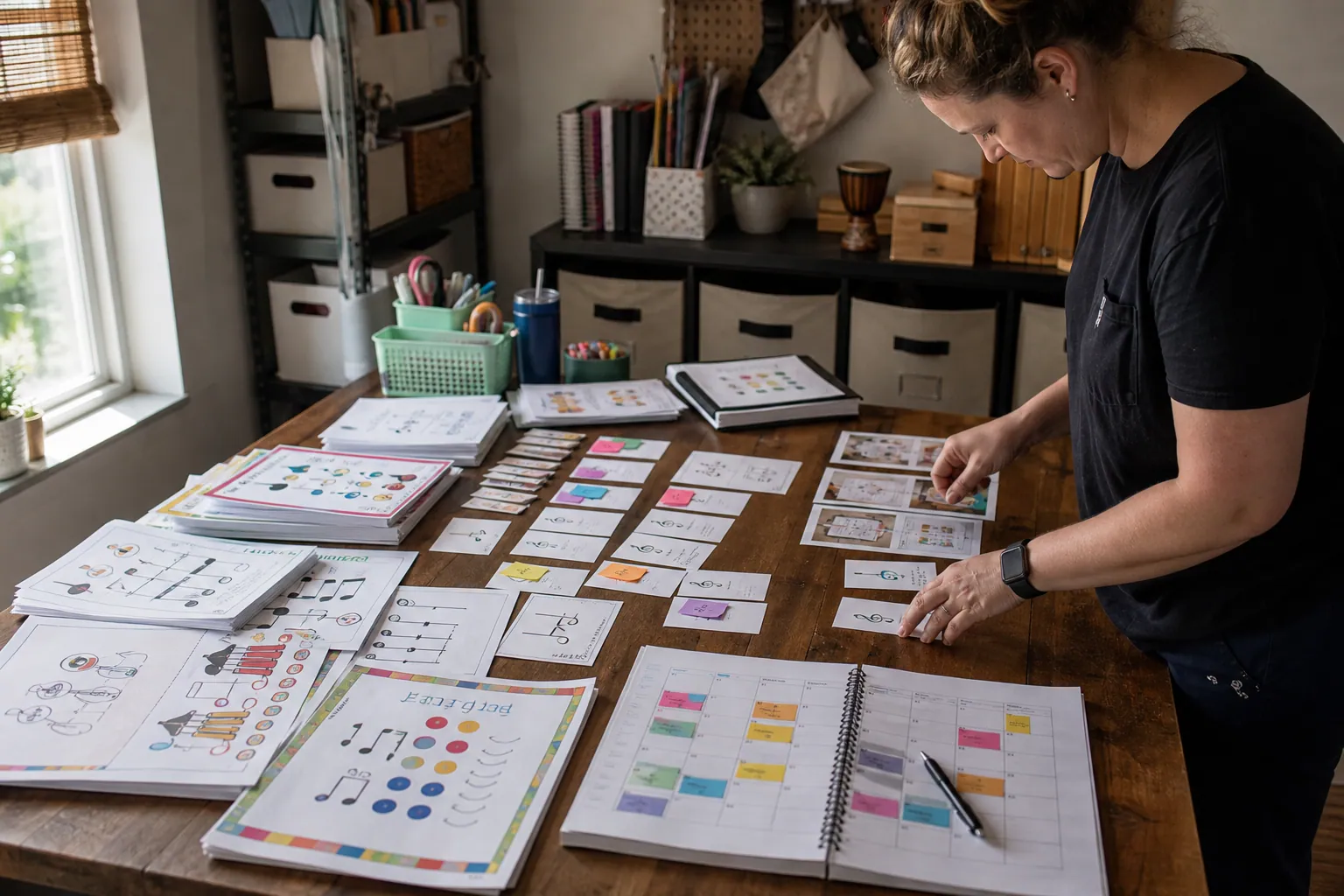
Case Study: How an Elementary Music Printable Shop Turned Pinterest Freebies Into Bundle Sales
A composite teardown of a music printable seller that stopped sending every Pinterest visitor to one freebie and built intent-led paths to bundle sales.

The October Pinterest Funnel for Royal Icing Template Shops
Turn holiday cookie-planning searches into template sales with a two-lane Pinterest funnel for ready buyers and beginner decorators.

Case Study: How a Vacation Rental Template Shop Turned Pinterest Clicks Into Bundle Sales
A composite teardown of a vacation rental template seller that stopped sending every Pinterest visitor to one freebie and built intent-led routes to higher-value bundles.
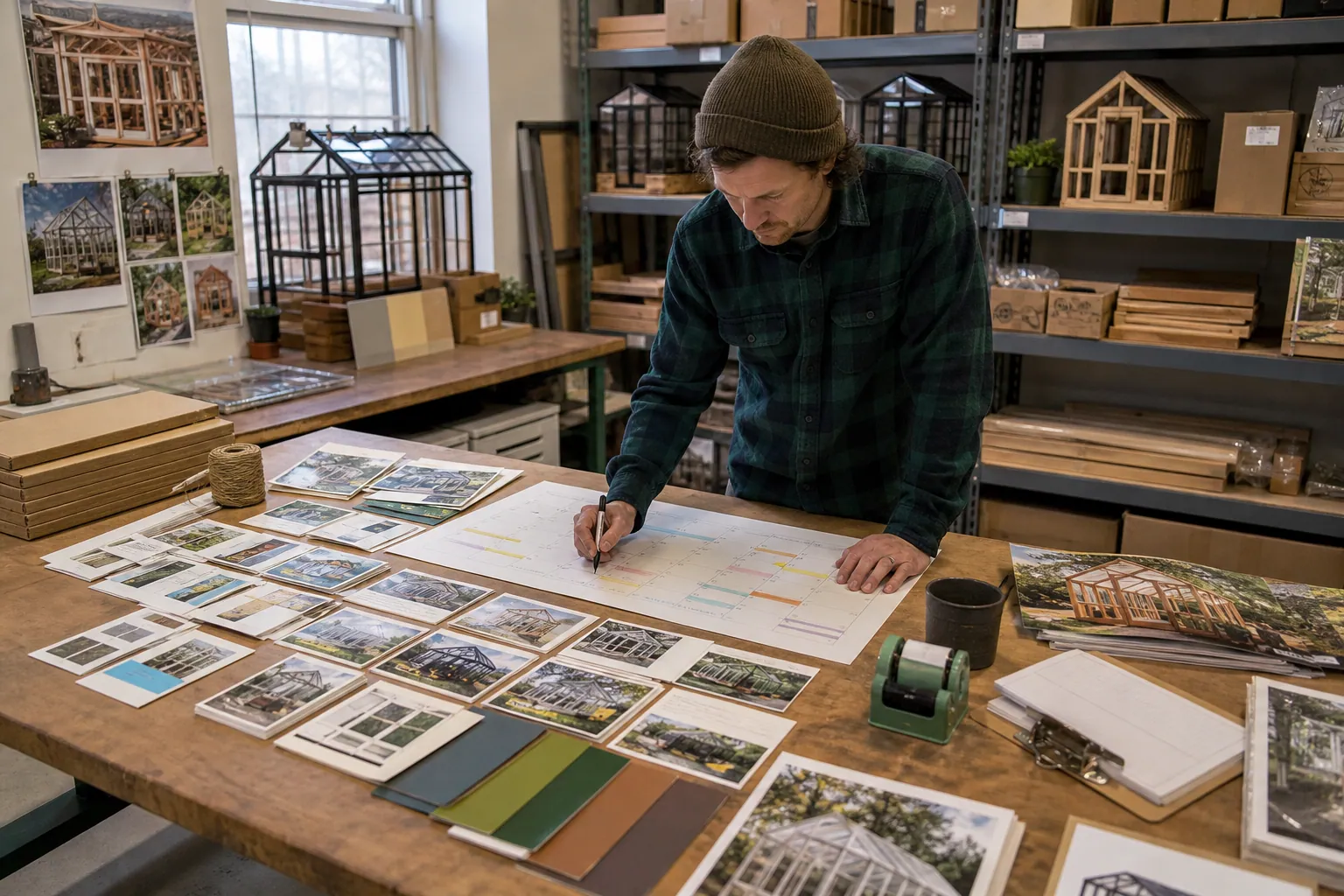
Pinterest SEO for Backyard Greenhouse Kit Shops
A practical weekly Pinterest SEO routine for greenhouse kit sellers turning foundation, placement, and size questions into qualified spring catalog traffic.

Case Study: How a Podcasting Course Creator Turned Planning Pins Into Evergreen Enrollments
A composite teardown of a podcasting educator who replaced aesthetic creator Pins with planning resources that attracted more course-ready subscribers and buyers.